

Product details
Product Overview
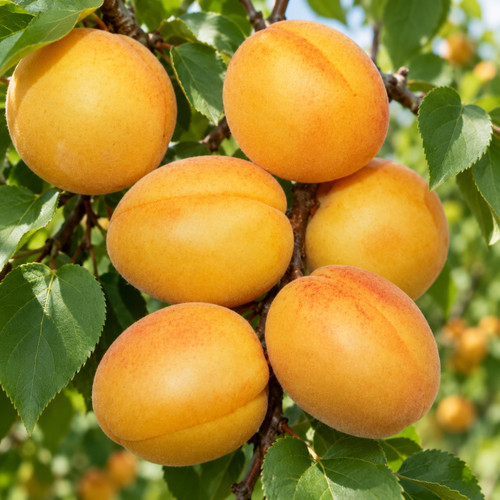
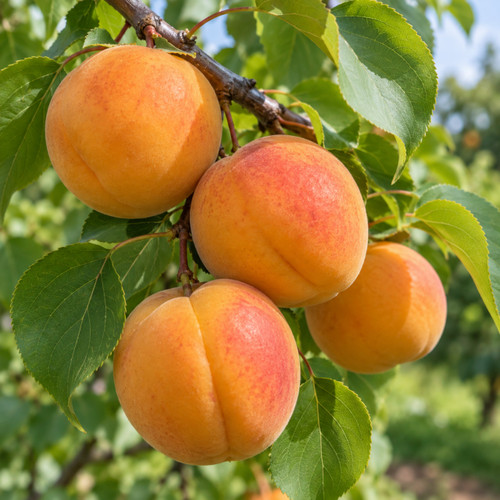
Apricot Early Newcastle is a cherished variety known for its early-season harvest and medium-sized fruit with excellent flavour. Its low chilling requirement makes it suitable for warmer climates, and its self-fertile nature ensures reliable fruit production without the need for a second tree.
Growth:
Apricot Early Newcastle is a deciduous tree that typically reaches a height and spread of approximately 4 metres, making it manageable for home gardens. Its attractive foliage adds aesthetic value, and regular pruning helps maintain its shape and productivity.
Light Requirements:
Apricot Early Newcastle thrives in full sun, requiring at least six to eight hours of direct sunlight daily to promote healthy growth and optimal fruiting.
Soil Requirements:
Preferring well-drained, fertile soil with a slightly acidic to neutral pH (6.0–7.0), this apricot variety benefits from the incorporation of compost or aged manure into the planting site to enhance soil fertility and structure.
Water Requirements:
Consistent watering is essential, especially during the establishment phase and throughout the growing season. Deep watering once or twice a week ensures the soil remains moist but not waterlogged. Applying mulch around the base helps retain moisture and suppress weeds.
Frost Tolerance:
While Apricot Early Newcastle has a low chilling requirement, its early flowering can make blossoms susceptible to late spring frosts. In regions prone to such frosts, providing protection during the flowering period is advisable to safeguard the blossoms and ensure fruit set.
Drought Tolerance:
Once established, this apricot variety can tolerate short periods of drought. However, regular watering during extended dry spells is crucial to maintain fruit quality and overall tree health.
Flowering and Fruiting Information:
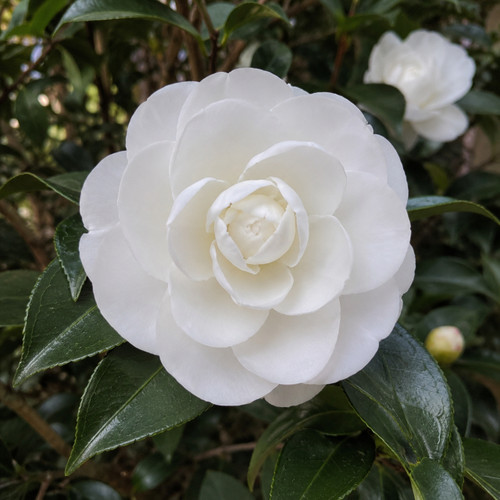
Apricot Early Newcastle produces delicate white blossoms in early spring, followed by medium-sized apricots that ripen early in the season. The fruit is known for its excellent flavour, making it ideal for fresh consumption, cooking, and preserving.
Pollinators:
This variety is self-fertile, meaning it does not require a pollination partner to produce fruit. However, even self-fertile apricot trees can benefit from cross-pollination, which may result in higher yields.
Spacing Requirements:
Space trees approximately 4–5 metres apart to ensure adequate airflow and room for growth. Proper spacing also facilitates maintenance activities such as pruning and harvesting.
Fertiliser Requirements:
Feeding with a balanced fertiliser in early spring and mid-summer supports healthy growth and fruiting. During the fruiting phase, applying a potassium-rich fertiliser can enhance fruit size, flavour, and colour. Mulching with organic materials helps retain moisture and improve soil fertility.
Care and Maintenance:
Annual pruning during winter dormancy is essential to shape the tree, remove dead or weak branches, and improve light penetration. Thinning developing fruit in early summer can reduce overcrowding and encourage larger, better-quality apricots. Regular monitoring for pests and diseases, along with prompt treatment using organic methods, helps maintain tree health. Applying mulch around the base suppresses weeds, retains moisture, and supports overall tree vitality.