

Product details
Product Overview
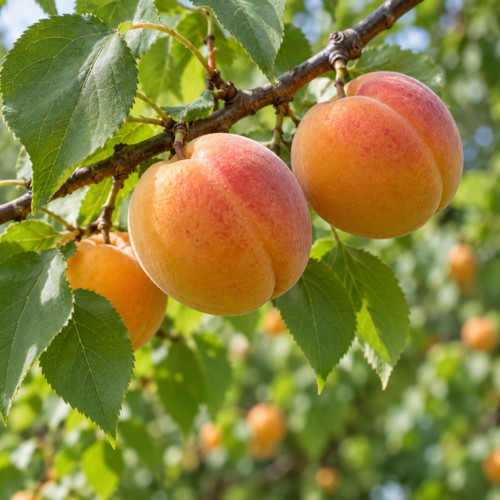
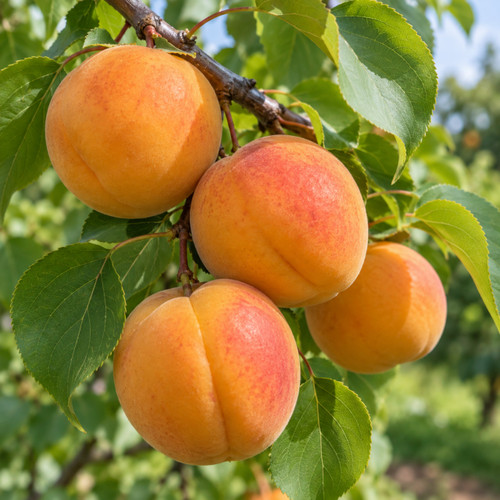
Apricot Trevatt is a cherished Australian heirloom variety, introduced around 1900, renowned for its large, rounded fruit with pale apricot skin and firm, juicy orange flesh. This versatile apricot is excellent for fresh consumption, preserving, drying, and making jams.
Growth:
Trevatt apricot trees are medium-sized, typically reaching heights of 4 to 6 metres with a similar spread. They exhibit a rounded canopy and are known for being heavy bearers, often requiring thinning to prevent branch overload and to enhance fruit quality.
Light Requirements:
This variety thrives in full sun, necessitating at least six hours of direct sunlight daily to ensure optimal growth and fruit production.
Soil Requirements:
Trevatt apricots prefer well-drained, fertile soils with a slightly acidic to neutral pH. Incorporating organic matter such as compost or aged manure can enhance soil fertility and structure. Good drainage is essential to prevent root rot and other moisture-related issues.
Water Requirements:
Regular watering is crucial, especially during the tree's establishment phase and throughout the growing season. Deep watering once a week is generally sufficient, but adjustments may be necessary based on rainfall and soil conditions. Applying mulch around the base helps retain moisture and suppress weeds.
Frost Tolerance:
Trevatt apricot trees are hardy and can tolerate frost, making them suitable for various Australian climates, including those with cold winters. However, early spring frosts during flowering can affect fruit set, so some protection may be beneficial in frost-prone areas.
Drought Tolerance:
Once established, these trees can withstand short periods of drought. However, consistent watering during prolonged dry spells is essential to maintain fruit quality and overall tree health.
Flowering and Fruiting Information:
Trevatt apricots produce beautiful pinkish-white flowers in spring, followed by large, pale-skinned fruits with firm, juicy orange flesh. The fruit is known for its excellent flavour and is suitable for fresh eating, preserving, drying, and making jams. Harvest typically occurs in early to mid-January, slightly earlier than the Moorpark variety, helping to extend the apricot season.
Pollinators:
This variety is self-fertile, meaning it doesn't require a second tree for pollination. However, planting another apricot tree nearby can enhance fruit set and yield.
Spacing Requirements:
For optimal growth and air circulation, space Trevatt apricot trees 4 to 6 metres apart. This spacing accommodates their mature size and facilitates maintenance activities like pruning and harvesting.
Fertiliser Requirements:
Feeding with a balanced fertiliser in early spring and mid-summer supports healthy growth and fruiting. During the fruiting phase, applying a potassium-rich fertiliser can enhance fruit size, flavour, and colour. Mulching with organic materials helps retain moisture and improve soil fertility.
Care and Maintenance:
Pruning is vital, especially in the first few years, to shape the tree and promote an open canopy that allows sunlight to penetrate. This practice enhances fruit quality and reduces disease risk. Regularly inspect for pests and diseases, and address any issues promptly to maintain tree health. Thinning the fruit can prevent branch overload and improve fruit size and quality.