

Product details
Product Overview
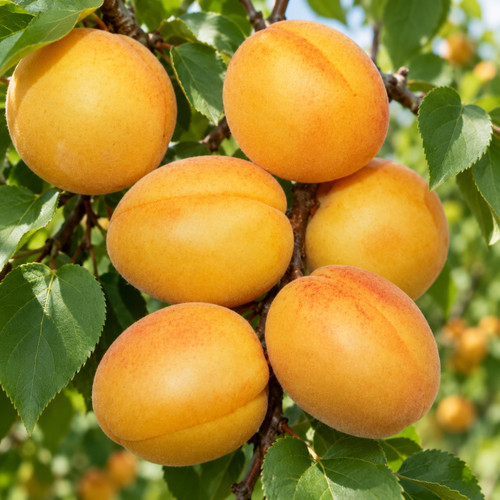
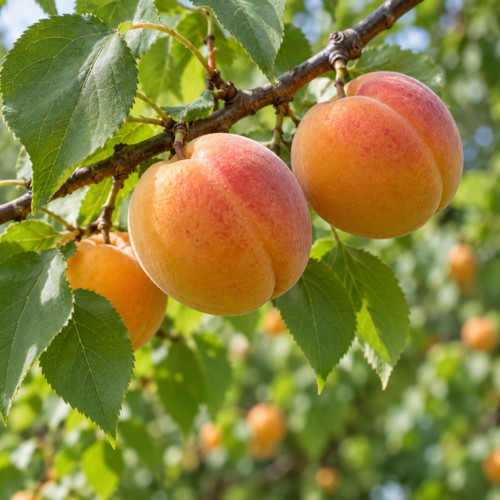
Apricot Hunter Late is a prized late-season variety celebrated for its large, firm apricots with light-coloured flesh and exceptional flavour. Perfect for extending the apricot harvest into mid to late January, this self-fertile tree is an excellent choice for home orchards.
Growth:
Apricot Hunter Late is a deciduous tree that grows to approximately 4 metres in height and spread, though it can reach larger dimensions if left unpruned. Its upright growth habit and dense foliage make it both a productive and ornamental addition to the garden. Regular pruning helps maintain a manageable size and maximises fruiting potential.
Light Requirements:
This variety thrives in full sun, needing at least six to eight hours of direct sunlight daily. Adequate sunlight is crucial for promoting vigorous growth and ensuring the development of high-quality fruit.
Soil Requirements:
Apricot Hunter Late performs best in well-drained, fertile soil enriched with organic matter like compost or aged manure. A slightly acidic to neutral pH (6.0–7.0) is ideal, and good drainage is essential to prevent root rot.
Water Requirements:
Consistent and deep watering is particularly important during the establishment phase and the growing season. Water the tree thoroughly once or twice a week, adjusting frequency based on rainfall and soil moisture levels. A layer of mulch around the base aids in moisture retention and helps regulate soil temperature.
Frost Tolerance:
Apricot Hunter Late is well-suited to temperate climates but may require frost protection during its flowering phase, as late frosts can impact blossom viability and fruit set.
Drought Tolerance:
Once established, this variety demonstrates moderate drought tolerance. However, prolonged dry spells can affect fruit size and quality, so supplementary watering during these periods is recommended.
Flowering and Fruiting Information:
Hunter Late produces elegant white blossoms in early spring, setting the stage for its large, firm fruit that ripens in mid to late January. The apricots have a rich, well-balanced flavour, making them ideal for fresh eating, drying, or preserving.
Pollinators:
This variety is self-fertile and does not require a pollination partner to produce fruit. However, cross-pollination with other apricot varieties flowering at the same time may enhance fruit set and overall yield.
Spacing Requirements:
Allow 4–5 metres between trees to ensure ample space for airflow and sunlight penetration. Proper spacing also simplifies pruning, harvesting, and maintenance activities.
Fertiliser Requirements:
Feed the tree in early spring and mid-summer with a balanced fertiliser to promote growth and fruit production. During the fruiting phase, use a potassium-rich fertiliser to improve the size, flavour, and colour of the apricots. Regular mulching with organic materials enhances soil fertility and helps conserve moisture.
Care and Maintenance:
Prune annually during winter dormancy to remove dead or weak branches and to shape the canopy for better light penetration and airflow. Thin developing fruit in late spring to reduce overcrowding, encouraging the growth of larger, more robust apricots. Keep an eye out for pests and diseases, and treat promptly using organic or integrated pest management strategies. Mulching around the tree base suppresses weeds and supports healthy growth.