

Product details
Product Overview
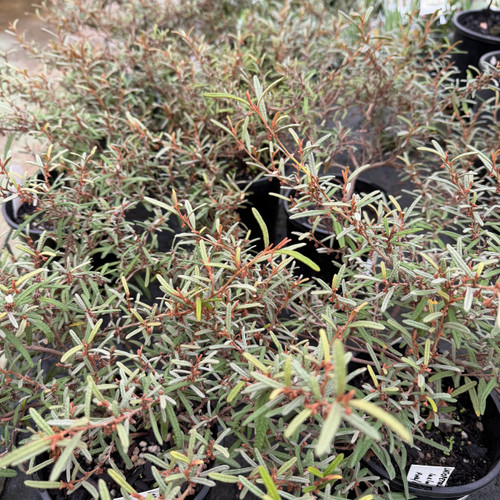
Scleranthus biflorus, also known as Cushion Bush or Lime Lava, is a low-growing, ground-covering perennial that creates a moss-like appearance in gardens. This Australian native plant forms dense, cushion-like mounds, making it perfect for rockeries, between pavers, or as a soft-textured addition to container gardens. It prefers sunny positions but can also tolerate partial shade, and requires well-drained, moist soil to thrive.
Growth:
The plant typically grows to about 10-15 cm in height and can spread up to 90 cm, forming a dense, carpet-like appearance. Its bright green foliage and soft, mounding habit make it a popular choice for various landscape uses.
Light Requirements:
Scleranthus biflorus thrives in full sun but can tolerate light afternoon shade, particularly in hotter climates.
Soil Requirements:
It prefers humus-rich, well-drained soil. It does not tolerate waterlogged conditions, so good drainage is essential. Ideal for sandy, loamy, or clay loam soils.
Water Requirements:
Regular watering is needed during the establishment phase, but once established, it can handle dry spells. Avoid letting the soil completely dry out, especially in hotter climates.
Frost Tolerance:
This plant is tolerant of light frost but may struggle in areas with prolonged heavy frost.
Drought Tolerance:
Scleranthus biflorus is reasonably drought-tolerant once established, but regular moisture is recommended to maintain its lush appearance.
Flowering Information:
Small, inconspicuous yellow-green flowers appear in summer, adding subtle detail to the foliage.
Spacing Requirements:
Space plants approximately 30-40 cm apart to allow room for spreading and to achieve full coverage. In larger garden beds, plant 4-5 per square metre for a dense ground cover effect.
Fertiliser Requirements:
A light application of a low-phosphorus, slow-release native fertiliser in spring is sufficient. Avoid over-fertilising, as it can harm the plant.
Care and Maintenance:
Minimal pruning is required. Simply remove any dead or damaged areas to maintain appearance. Watch for fungal diseases, particularly in humid conditions, and ensure good air circulation to prevent issues.