

Product details
Product Overview
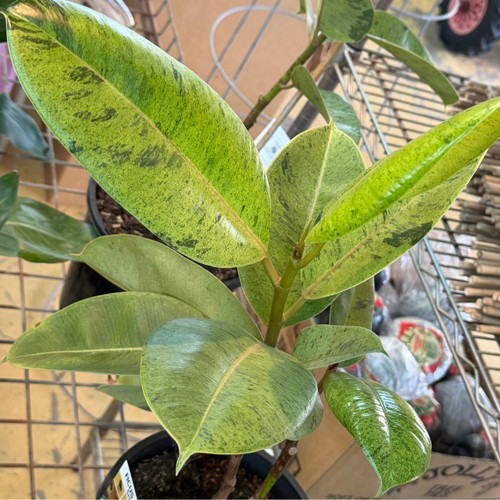
Ligularia dentata Reniformis Tractor Seat Plant, is a striking perennial admired for its large, glossy, kidney-shaped leaves that resemble vintage tractor seats. Native to East Asia, this plant has become a popular choice in Australian gardens and interiors, adding a touch of lush, tropical elegance to shaded areas.
Growth:
The Tractor Seat Plant typically grows to about 1 metre in both height and width, forming a dense clump of bold foliage. Its moderate growth rate makes it suitable for containers, garden beds, or as an understory plant in shaded landscapes. With proper care, it can thrive for many years, providing a consistent architectural presence.
Light Requirements:
This plant prefers bright, indirect light or dappled shade. Direct sunlight, especially during the hottest parts of the day, can scorch its leaves. In Australian climates, positioning it in a spot that receives morning sun and afternoon shade is ideal. Indoors, place it near a window with filtered light to mimic its natural habitat.
Soil Requirements:
Ligularia dentata Reniformis thrives in rich, well-draining soil that retains moisture. Incorporate organic matter like compost or peat moss to enhance soil fertility and structure. Ensure the planting site or container has adequate drainage to prevent waterlogging, which can lead to root rot.
Water Requirements:
Consistent moisture is key for this plant. Keep the soil evenly moist, especially during warmer months, but avoid soggy conditions. In Australian summers, regular watering may be necessary to maintain hydration. Mulching can help retain soil moisture and regulate temperature.
Humidity and Temperature:
The Tractor Seat Plant prefers moderate to high humidity levels and thrives in temperatures between 18°C and 26°C. In air-conditioned or heated environments, increase humidity by misting the leaves regularly or placing a humidifier nearby. Protect the plant from cold drafts and temperatures below 10°C, as it is sensitive to frost.
Foliage and Flowering:
This plant is primarily grown for its impressive foliage with large, glossy, dark green leaves that can reach up to 45 cm in diameter. In summer, it produces tall spikes of bright yellow, daisy-like flowers that rise above the foliage, adding a cheerful contrast. While flowering is a bonus, the foliage remains the main attraction year-round.
Pot Size and Spacing:
When planting in containers, choose a pot that is at least 30 cm in diameter to accommodate the plant's root system and allow for growth. Ensure the pot has drainage holes to prevent water accumulation. If planting in the garden, space plants about 1 metre apart to allow for their mature spread and to promote air circulation.
Fertiliser Requirements:
Feed the Tractor Seat Plant with a balanced, slow-release fertiliser in spring to support new growth. Alternatively, apply a liquid fertiliser every 4–6 weeks during the growing season.
Care and Maintenance:
Regularly remove any yellowing or damaged leaves to maintain the plant's appearance and health. Keep an eye out for pests like slugs and snails, which are attracted to the large leaves; use appropriate control methods if necessary. In cooler regions, apply mulch around the base to protect the roots during winter. Repot container-grown plants every couple of years to refresh the soil and accommodate growth.