
Product details
Product Overview
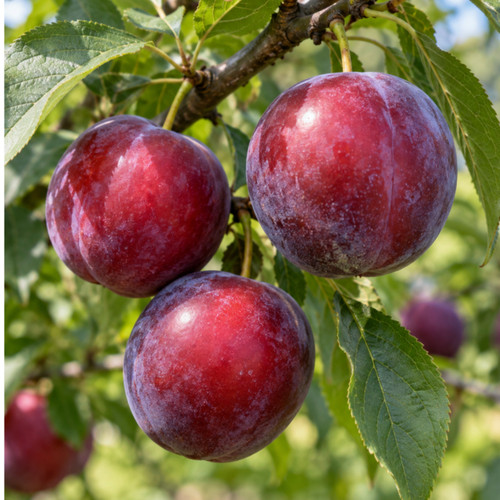
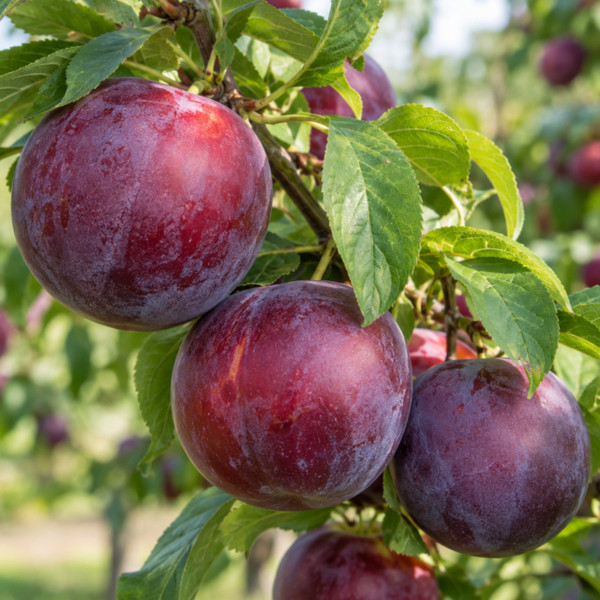
Plum Satsuma is a well-regarded Japanese plum variety prized for its succulent red flesh and pleasantly sweet flavour. Commonly grown in Australian home gardens and small orchards, Satsuma is known for its reliability and versatility in the kitchen.
Growth:
Satsuma trees typically reach 3 to 5 metres in height, developing a moderate canopy suitable for backyard plantings. The fruit itself is medium to large, with a deep red interior and a smooth, mild sweetness.
Light Requirements:
Place Satsuma in a site that receives at least six hours of direct sunlight each day. Adequate sunshine ensures healthy development and encourages bountiful fruit sets.
Soil Requirements:
Thriving in well-drained, loamy soils, Satsuma benefits from a neutral to slightly acidic pH. Mixing in compost or other organic amendments enhances soil health and supports strong root systems.
Water Requirements:
Maintain consistent watering throughout the growing season, particularly during flowering and fruit formation. While steady moisture boosts fruit size and quality, avoid soggy conditions that can stress or damage roots.
Frost Tolerance:
Once established, Satsuma tolerates mild frosts. However, unseasonably cold temperatures in late spring can harm blossoms, reducing yields. Consider protective measures for newly planted trees if frost is expected.
Drought Tolerance:
Mature trees can handle brief dry spells but may show reduced fruit quality under prolonged drought. Timely watering during hot or rain-scarce periods helps sustain healthy growth and productivity.
Flowering and Fruiting Information:
Satsuma produces a profusion of white blossoms in spring, followed by plums that begin to ripen in mid-to-late summer. The fruit’s naturally sweet flavour makes it a favourite for both fresh consumption and culinary use.
Pollinators:
Although partially self-fertile, Satsuma typically benefits from cross-pollination. Planting it near other Japanese plum varieties such as Mariposa or Santa Rosa that bloom concurrently can significantly enhance fruit set.
Spacing Requirements:
Allow approximately 4 to 5 metres between Satsuma trees to accommodate their mature canopy. Adequate spacing helps foster good air circulation, lowering the risks posed by pests and fungal diseases.
Fertiliser Requirements:
In spring, apply a balanced fertiliser to nurture vigorous growth and plentiful fruiting. Periodic additions of compost or aged manure further enrich the soil, while avoiding excessive nitrogen helps prevent overabundant foliage at the expense of fruit development.
Care and Maintenance:
Cut back the tree each winter during dormancy to shape its structure and remove any problematic or crowded branches. If the tree sets heavy crops, thin out some fruit in early summer to boost overall quality and size. Keep a vigilant watch for pests or diseases, intervening promptly if they appear. A layer of mulch around the root zone aids in moisture retention and moderates soil temperature - ensure mulch is not placed directly against the trunk to minimise rot.