
Product details
Product Overview
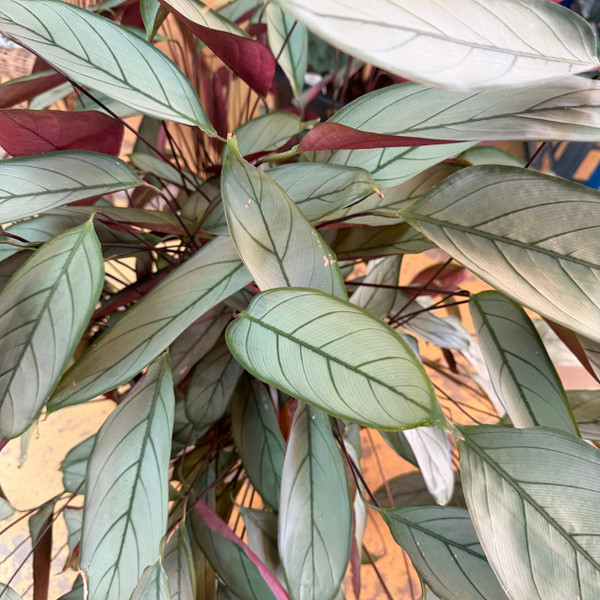
Ctenanthe setosa Grey Star is an eye-catching tropical beauty known for its slender silver-grey leaves marked with dark green veins and striking purple undersides. Native to Brazil’s rainforests, it brings elegant texture and colour to indoor spaces across Australia. With the right care, this graceful plant thrives, rewarding you with lush, layered foliage all year round.
Growth:
Grey Star has a moderate growth rate, typically reaching about 1 metre tall and wide indoors. It forms neat clumps with upright stems, making it perfect for pots or even as a low feature in shady garden spots. Trim away old or damaged leaves occasionally to keep the plant looking its best and encourage fresh growth.
Light Requirements:
Ctenanthe Setosa loves bright, indirect light and adapts well to lower-light conditions. Be careful to shield it from harsh direct sunlight, which can scorch its delicate leaves. It’s happiest near a bright window with filtered light, like a spot facing east or north.
Soil Requirements:
Grey Star prefers rich, well-draining soil that holds some moisture but never stays soggy. A mix of premium indoor potting soil blended with perlite or orchid bark works well, creating both aeration and moisture retention. Aim for a slightly acidic to neutral pH (around 6–7).
Water Requirements:
Keep the soil evenly moist and not too wet, not bone dry. Water when the top 2–3 cm feels dry, and always use pots with drainage holes to avoid root rot. In warmer seasons, you may need to water more frequently; in cooler months, reduce the watering schedule.
Humidity and Temperature:
This tropical native thrives on high humidity. If your home is on the dry side, try misting the leaves, using a pebble tray, or adding a small humidifier nearby. Grey Star enjoys temperatures between 18–27°C and doesn’t appreciate cold drafts or sudden temperature drops.
Foliage and Flowering:
The standout appeal of Grey Star is its silvery-grey, narrow leaves with dark green veining and beautiful purple undersides that peek through as the leaves sway.
Pot Size and Spacing:
Start with a pot about 20–25 cm wide to fit the roots comfortably. As the plant grows, plan to repot every year or two into a slightly larger pot. Ensure good drainage. If you’re grouping plants, leave at least 50 cm between them to allow air to circulate.
Fertiliser Requirements:
Feed during the active growing months (spring and summer) every 4–6 weeks using a balanced, water-soluble fertiliser suited for indoor foliage plants. In autumn and winter, ease back, as the plant’s growth naturally slows.
Care and Maintenance:
Remove any faded or yellowing leaves to keep the plant tidy and healthy. Occasionally wipe the leaves gently with a damp cloth to remove dust and let them breathe. Watch for common indoor pests like spider mites or mealybugs; if they appear, treat promptly with insecticidal soap or neem oil. Refresh the potting mix every couple of years to keep the roots healthy and encourage strong growth.