

Product details
Product Overview
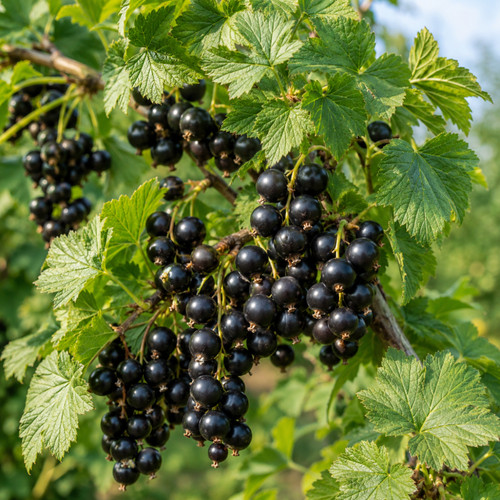
Ribes rubrum Red Currant is a deciduous shrub known for its clusters of bright red, tart berries. Native to parts of Europe, red currants are popular in Australian gardens for their ornamental appeal and culinary versatility, particularly in jams, jellies, and desserts.
Growth:
Red currant shrubs typically reach a height and width of 1 to 1.5 metres. They have a compact, bushy habit and produce fruit on two- to three-year-old wood. The berries ripen in mid to late summer, offering a bountiful harvest for gardeners.
Light Requirements:
Red currants prefer full sun to partial shade. In regions with hot summers, providing some afternoon shade can help protect the plants from excessive heat and sunburn.
Soil Requirements:
These shrubs thrive in well-drained, fertile soils with a slightly acidic to neutral pH. Incorporating organic matter, such as compost or well-rotted manure, enhances soil fertility and structure, promoting healthy growth and fruit production.
Water Requirements:
Consistent moisture is essential, especially during flowering and fruiting periods. Mulching around the base of the plant helps retain soil moisture, suppress weeds, and regulate soil temperature.
Frost Tolerance:
Red currants are frost-hardy and can withstand cold temperatures, making them suitable for cooler Australian regions. They require a period of winter chill to set fruit effectively.
Drought Tolerance:
While established plants can tolerate short dry periods, red currants perform best with regular watering. Mulching assists in maintaining soil moisture during drier periods, ensuring consistent growth and fruiting.
Flowering and Fruiting Information:
In spring, red currants produce inconspicuous greenish-yellow flowers, followed by clusters of translucent red berries that ripen in mid to late summer. The tart berries are rich in vitamin C and are commonly used in cooking and preserves.
Pollinators:
Red currants are self-fertile, meaning they do not require another plant for cross-pollination to produce fruit. However, insect pollinators like bees can enhance fruit set and yield.
Spacing Requirements:
Space plants approximately 1 to 1.5 metres apart to allow for adequate air circulation and ease of maintenance. Proper spacing reduces the risk of fungal diseases and ensures each plant has sufficient resources.
Fertiliser Requirements:
Apply a balanced fertiliser in early spring as new growth appears. Supplement with well-decomposed animal manure or compost annually to maintain soil fertility. Avoid over-fertilisation, as excessive nitrogen can promote leafy growth at the expense of fruit production.
Care and Maintenance:
Prune during winter dormancy by removing older stems to encourage new growth, as red currants produce the best fruit on younger wood. Aim to maintain a balance of one-, two-, and three-year-old stems for optimal productivity. Regularly monitor for pests such as aphids and red spider mites, and consider netting the plants during fruiting to protect the berries from birds.