
Product details
Product Overview
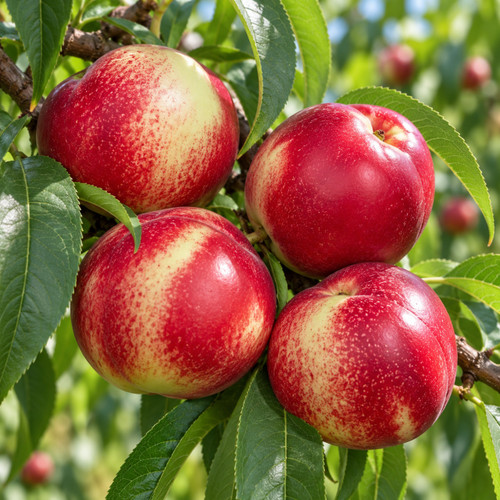
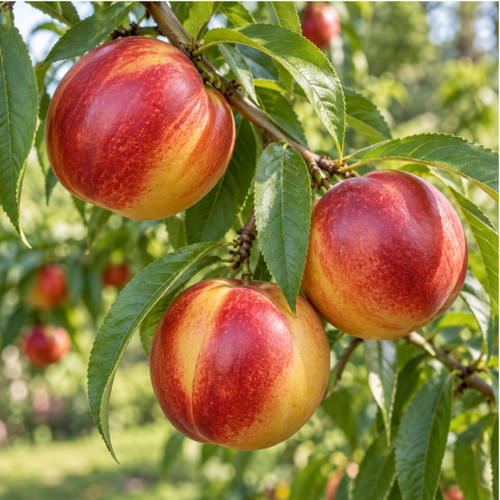
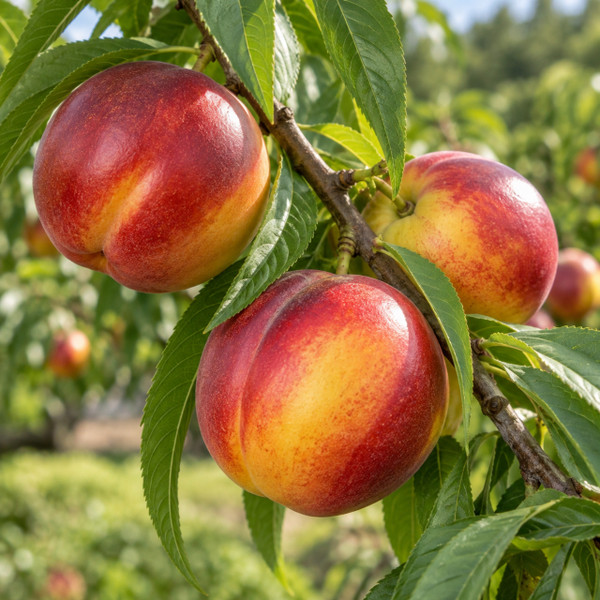
Nectarine Flavortop is a deciduous fruit tree producing large, yellow-fleshed nectarines with red-blushed skin over a yellow background. The freestone fruit has a juicy texture and rich, sweet flavour, making it suitable for fresh eating, baking and preserving.
Growth:
Develops a vigorous, spreading canopy, typically reaching approximately 3–5 m high and 3–4 m wide, depending on rootstock and growing conditions. Annual pruning helps maintain a manageable size for harvesting.
Light Requirements:
Requires full sun, with at least six hours of direct sunlight daily. A sunny, open position encourages flowering, fruit development and good flavour.
Soil Requirements:
Prefers fertile, well-drained soil enriched with organic matter. Slightly acidic to neutral soil is suitable. Avoid waterlogged positions and improve drainage before planting in heavy soils.
Water Requirements:
Water deeply and regularly during establishment and throughout fruit development. Maintain consistent soil moisture during hot weather to support fruit size and quality. Mulch around the root zone, keeping mulch clear of the trunk.
Frost Tolerance:
Tolerates winter frost while dormant and requires winter chilling for reliable cropping. Flowers and newly developing fruit are vulnerable to late frosts, so avoid low-lying frost pockets where possible.
Drought Tolerance:
Established trees tolerate brief dry periods, but reliable watering is needed for good fruit production. Prolonged moisture stress can reduce fruit size and cause premature fruit drop.
Flowering and Fruiting Information:
Produces pink blossoms in spring, followed by large nectarines with yellow flesh and red-over-yellow skin. The flesh separates readily from the stone when ripe. Harvest is generally during January to February, depending on local climate and seasonal conditions.
Pollinators:
Self-fertile and does not require another nectarine variety to produce fruit. Bees and other pollinating insects help achieve good fruit set.
Spacing Requirements:
Space approximately 3–4 m apart for regularly pruned trees. Allow additional room if growing with a larger, unrestricted canopy.
Fertiliser Requirements:
Apply a balanced fruit tree fertiliser in early spring, following the label directions. Avoid excessive nitrogen, which encourages leafy growth at the expense of fruiting. Add compost periodically to maintain soil condition.
Care and Maintenance:
Prune annually to maintain an open canopy and encourage new fruiting wood, as nectarines bear fruit on the previous season’s growth. Prune in dry weather, preferably after harvest. Thin heavy crops while fruit is small to improve fruit size and reduce branch strain. Remove shoots emerging below the graft and maintain mulch around the root zone.