

Product details
Product Overview
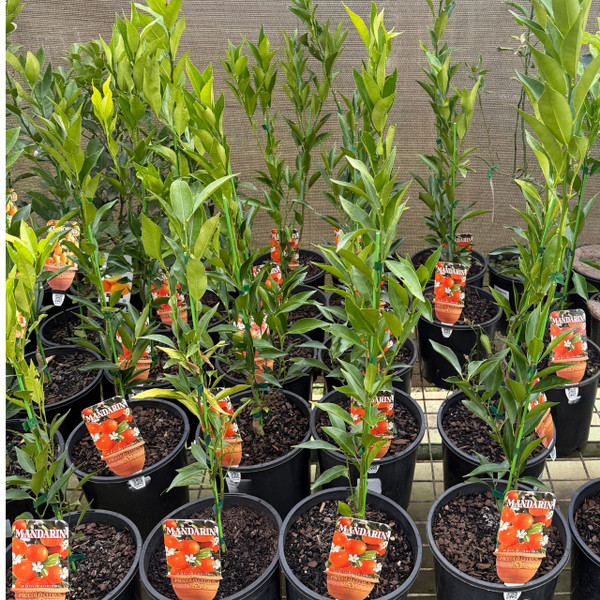
Mandarin Imperial is an early-season favourite among gardeners, cherished for its sweet, easy-to-peel fruit and reliable cropping habit. With glossy green foliage and fragrant white blossoms, it brings both ornamental appeal and a delightful harvest to backyards, courtyards, or container plantings.
Growth:
Mandarin Imperial typically reaches about 2–3 metres in height, forming a rounded canopy. It has a moderate growth rate, producing a dependable crop once established. If space is at a premium, light pruning or container cultivation can help maintain a smaller size without compromising productivity.
Light Requirements:
At least six hours of direct sunlight per day is essential for robust growth and a prolific fruit set. In cooler parts of Australia, position Imperial in a north-facing spot to capture extra warmth and sunlight. While the tree can tolerate some partial shade, full sun generally ensures sweeter fruit and higher yields.
Soil Requirements:
A well-drained, slightly acidic soil enriched with organic matter suits Imperial best. If your garden soil is heavy or prone to waterlogging, consider raised beds or incorporate compost to improve drainage. For container growing, select a premium citrus potting mix designed for good aeration and moisture retention.
Water Requirements:
Regular watering during the first 1–2 years supports healthy root establishment. Once mature, Mandarin Imperial prefers evenly moist soil, though it can tolerate moderate drying between waterings. In hotter or drier climates, occasional deep watering reduces stress and helps maintain fruit quality. A layer of mulch around the base conserves moisture and moderates soil temperature.
Frost Tolerance:
Imperial mandarins can withstand light frosts once well-established, but severe or prolonged cold may damage buds, flowers, or young fruit. In frost-prone areas, plant in a sheltered location, apply mulch for root insulation, and consider protective covers for young or potted trees on particularly cold nights.
Drought Tolerance:
Once established, Imperial copes with short dry spells, especially if mulched. However, consistent moisture enhances both fruit size and sweetness. During extended heatwaves or water restrictions, keep an eye on soil moisture and water deeply as needed to support steady growth.
Flowering and Fruiting Information:
Fragrant white blossoms usually appear in late winter to early spring, giving way to small green fruit that ripens through autumn. Imperial mandarins are prized for their bright orange rind, mild acidity, and easy-peel skin—perfect for fresh snacking, school lunchboxes, and adding zest to salads or desserts. Harvest when the fruit develops a rich orange colour and gives slightly under gentle pressure.
Spacing Requirements:
If planting more than one Imperial tree, allow at least 2–3 metres between them for good airflow and sunlight penetration. For container growing, choose a pot at least 50–60 cm in diameter with drainage holes. Pruning can help control the canopy size, particularly in smaller gardens, while still promoting a healthy fruit set.
Fertiliser Requirements:
Feed Imperial with a balanced citrus fertiliser in early spring, late spring, and late summer to encourage lush foliage, ample flowering, and sweet, juicy fruit. Look for products containing essential micronutrients like iron and magnesium. Incorporating compost boosts soil fertility, supporting the tree’s overall vitality.
Care and Maintenance:
Prune lightly after harvest or at the end of winter to remove any dead, diseased, or crossing branches, shaping the tree and improving air circulation. Keep mulch slightly away from the trunk to avoid fungal issues. Monitor for common citrus pests—such as scale, citrus leaf miner, or aphids—and address them promptly with suitable treatments.