

Product details
Product Overview
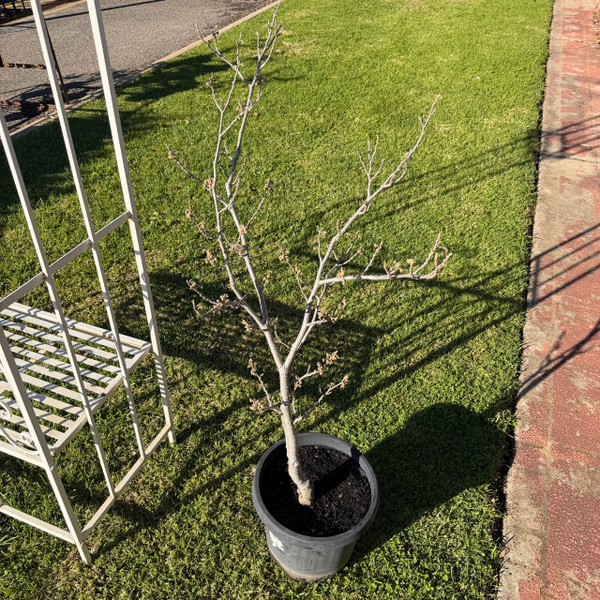
Hamamelis x intermedia Pallida is a deciduous shrub renowned for its abundant, fragrant, sulphur-yellow flowers that bloom on bare branches in late winter, providing a striking display during the colder months. Its broad, bright green leaves offer vibrant autumn colours, turning spectacular shades of yellow, orange, and red before falling.
Growth:
Pallida typically grows to a height and width of 3 to 5 metres, forming a large, vase-shaped shrub with a spreading crown. This slow-growing plant is well-suited for use as a specimen plant, in woodland gardens, or for screening and hedging.
Light Requirements:
Prefers full sun to part shade. Best flowering occurs in full sun, but it can tolerate light shade, especially in hotter climates.
Soil Requirements:
Thrives in well-drained, organically rich, moist, acidic soils. It can adapt to a range of soil types but performs best in fertile, humus-rich conditions.
Water Requirements:
Requires consistent moisture, particularly during establishment and dry periods. Regular watering is essential to maintain health and promote prolific flowering.
Frost Tolerance:
Exhibits good frost tolerance, making it suitable for cooler climates. The flowers are frost-resistant, ensuring a reliable display even in late winter.
Drought Tolerance:
While it prefers consistent moisture, Pallida can tolerate short periods of drought once established. However, prolonged dry conditions may reduce flowering and overall vigor.
Flowering Information:
Blooms in mid to late winter, producing dense clusters of fragrant, bright sulphur-yellow flowers with crinkled, strap-shaped petals. The flowers are frost-resistant and provide a valuable source of colour in the winter garden.
Spacing Requirements:
When planting, space shrubs approximately 3 to 5 metres apart to accommodate their mature size and ensure adequate air circulation.
Fertiliser Requirements:
Apply a balanced, slow-release fertiliser in early spring to support new growth and flowering. An additional application of compost or well-rotted manure can enhance soil fertility.
Care and Maintenance:
Prune immediately after flowering to maintain shape and remove any dead or crossing branches. Minimal pruning is required, but removing suckers promptly will prevent unwanted spread. Generally pest-free and low-maintenance.