

Product details
Product Overview
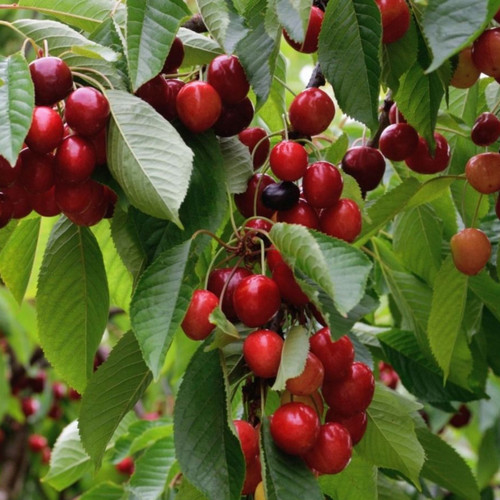
Cherry Morello is a self-fertile, late-maturing sour cherry variety cherished for its tart flavour, making it ideal for cooking, preserving, and creating liqueurs. Its dark red fruit with dark flesh offers a rich, slightly almond-like taste. Cherry Morello trees are well-suited to Australian gardens, particularly in cooler regions, and are valued for their manageable size and ornamental appeal.
Growth:
Cherry Morello trees are naturally smaller and bushier compared to sweet cherry varieties, typically reaching up to 4 metres in height. Dwarf forms are also available, growing to approximately half the height of standard trees while producing full-sized fruit. They are known for their hardiness and can begin bearing fruit within 3 to 4 years after planting.
Light Requirements:
Plant Cherry Morello trees in a location that receives full sun to partial shade. Unlike sweet cherries, Cherry Morello can tolerate some shade, which can be beneficial in hotter Australian climates to protect the tree from excessive heat.
Soil Requirements:
These trees prefer well-drained, fertile loam soils with a pH between 6.0 and 7.0. Incorporate organic matter, such as compost, into the soil to enhance fertility and drainage. Avoid planting in waterlogged areas, as this can lead to root rot.
Water Requirements:
Regular watering is essential, especially during the establishment phase and throughout the growing season. Maintain consistent soil moisture, particularly during flowering and fruit development, but avoid overwatering. Once established, Cherry Morello trees can tolerate short periods of drought; however, prolonged dry conditions can stress the tree and reduce fruit quality.
Frost Tolerance:
Cherry Morello trees require a certain number of chill hours to set fruit, making them suitable for cooler climates. They tolerate frost during dormancy; however, late spring frosts can damage blossoms and reduce fruit set. In regions prone to late frosts, consider planting in a protected area to shield the tree from potential damage.
Drought Tolerance:
Once established, Cherry Morello trees can withstand short periods of drought. However, prolonged dry conditions can stress the tree, affecting fruit quality and yield. Supplemental watering during extended dry spells is recommended to maintain tree health and productivity.
Flowering and Fruiting Information:
Cherry Morello trees bloom in early spring, producing clusters of white blossoms. The fruit ripens late in the season, typically from December to February in Australia. The cherries are small to medium-sized, dark red with dark flesh, and have a tart flavour, making them excellent for cooking, preserves, and liqueurs.
Pollinators:
Cherry Morello trees are self-fertile, meaning they do not require another cherry tree for cross-pollination. However, planting multiple cherry trees can enhance overall fruit set and yield.
Spacing Requirements:
When planting, allow sufficient space for the tree to reach its mature size, typically up to 4 metres in height and width. Dwarf varieties require less space, approximately 2 metres. Proper spacing ensures good air circulation, reduces disease risk, and provides ample sunlight for healthy growth.
Fertiliser Requirements:
Apply a balanced fertiliser in early spring as new growth begins to support healthy development and fruiting. A second application after harvest can help replenish nutrients for the following season. Incorporating compost or well-rotted manure annually will improve soil fertility. Avoid excessive nitrogen, as it can promote leafy growth at the expense of fruit production.
Care and Maintenance:
Prune Cherry Morello trees during late winter or early spring while the tree is still dormant. Focus on removing dead, diseased, or crossing branches to maintain an open canopy, which improves air circulation and light penetration. Training the tree to an open vase shape is recommended to facilitate harvesting and enhance fruit quality. Mulch around the base of the tree to retain soil moisture and suppress weeds, keeping mulch away from the trunk to prevent rot. Regularly monitor for pests and diseases, such as cherry slug, and address issues promptly to ensure healthy growth.