
Product details
Product Overview
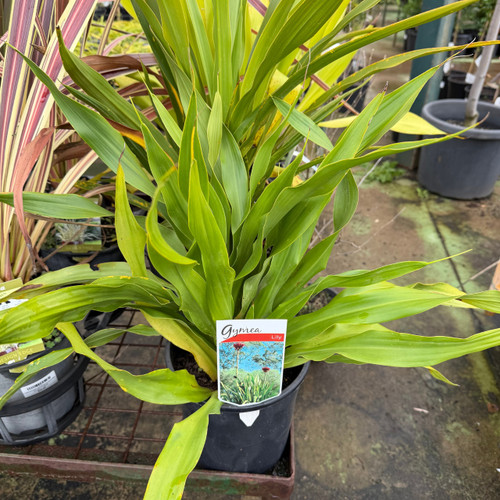
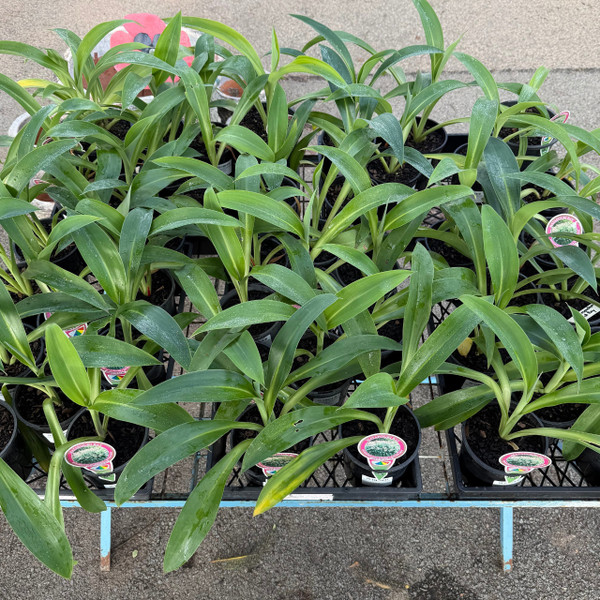
Arthropodium cirratum Matapouri Bay Renga Lily is a graceful, clump-forming perennial native to New Zealand, prized for its broad, arching green foliage and delicate sprays of starry white flowers. Flowering in late spring to early summer, it brings a soft, tropical feel to shaded garden beds. Hardy, low-maintenance, and tolerant of dry shade once established, it’s ideal for underplanting, mass planting, or use in coastal and woodland-style landscapes.
Growth:
Forms a soft, arching clump of strap-like green leaves, typically growing 60-80 cm tall and wide. Foliage is broad and slightly glossy, creating a lush, layered effect.
Light Requirements:
Performs best in part shade to full shade. Ideal for under trees, along shaded pathways, or in sheltered garden beds.
Soil Requirements:
Prefers free-draining, fertile soil enriched with compost or organic matter. Tolerates dry and poor soils once established but avoid waterlogged sites.
Water Requirements:
Low to moderate water needs. Water during establishment and during long dry spells. Thrives with occasional deep watering in dry shade conditions.
Frost Tolerance:
Tolerates light frost. In colder climates, foliage may be damaged by frost but typically recovers in spring.
Drought Tolerance:
Moderately drought-tolerant once mature. An excellent performer in dry shade and coastal conditions when mulched.
Flowering Information:
Produces tall, airy stems of small white star-shaped flowers with purple stamens in late spring and early summer. The flowers are lightly fragrant and held well above the foliage.
Spacing Requirements:
Plant 50-70 cm apart to allow for natural spread and full clump development. Suitable for mass planting, borders, or informal layering in shaded areas.
Fertiliser Requirements:
Apply a balanced slow-release fertiliser in early spring. Mulch annually with compost to maintain soil moisture and support flowering.
Care and Maintenance:
Very low maintenance. Remove spent flower stems and tidy old leaves as needed. Divide clumps every few years in late winter or early spring to rejuvenate and spread.