

Product details
Product Overview
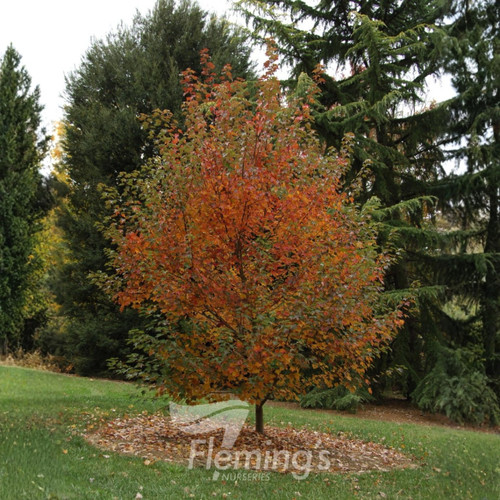
Acer Palmatum var. Dissectum Sekimori Japanese Maple is a graceful deciduous tree prized for its finely dissected, bright green foliage and elegant weeping form. In spring, its delicate leaves emerge in a pale lime-green hue, deepen to a lush green during summer, and transition to stunning shades of golden-yellow with orange tinges in autumn, making Acer Palmatum var. Dissectum Sekimori Japanese Maple a striking addition to any garden.
Growth:
This compact variety grows to a height of 1 to 1.2 metres with a spread of 1.8 to 2.4 metres, forming a low, mounding canopy with lacy, cascading foliage.
Light Requirements:
Thrives in full sun to part shade. In warmer climates, afternoon shade is recommended to protect the foliage from leaf scorch and maintain its vibrant colours.
Soil Requirements:
Prefers moist, well-drained soils enriched with organic matter. Slightly acidic conditions are ideal, while waterlogged or highly alkaline soils should be avoided.
Water Requirements:
Regular watering is essential during the establishment phase and in dry periods. Consistent moisture is crucial, but ensure good drainage to prevent root rot.
Frost Tolerance:
This tree is frost-hardy and performs well in temperate climates. Younger trees may need protection from strong winter winds and severe frost.
Drought Tolerance:
Once established, Acer Palmatum var. Dissectum Sekimori Japanese Maple exhibits moderate drought tolerance but benefits from supplemental watering during prolonged dry spells.
Flowering Information:
Small, reddish flowers appear in spring, offering a subtle ornamental feature that complements its vibrant foliage.
Spacing Requirements:
Allow at least 2 metres of spacing to accommodate its mature spread and promote healthy air circulation.
Fertiliser Requirements:
Feed with a balanced, slow-release fertiliser in early spring to encourage healthy growth and enhance its foliage display.
Care and Maintenance:
Minimal maintenance is required to keep this tree thriving. Light pruning during winter dormancy helps maintain its shape and remove any damaged or crossing branches. Applying mulch around the base retains soil moisture and protects roots from extreme temperatures. Planting in a sheltered location shields its delicate branches from strong winds.